sábado, 18 de outubro de 2014

PANTIES


Tom, I've learned that my daughter 

wears panties according to the color 

of her boyfriend's hair. 

If he is blond, her panties are yellow. 

If he is dark-haired, her panties are black! 


Tom asks: But why does it worry you so much? 

Tom's friend replies...

My daughter has been dating a bald man. 

domingo, 24 de agosto de 2014

Significados do verbo "to go"!!

go sign
Hello, what's up? 

Hoje gostaria de apresentar para vocês o verbo "to go"! 

Mas professor, este verbo já conhecemos e ele é muito fácil!

Ok, galera. Será que você realmente conhece este verbo? 

Você sabia que este verbo pode assumir outros significados?

 Não acredita! Então veja abaixo alguns outros significados dele:

01 - to go - ir a algum lugar

Where are you going today?
Dad's gone to get the paper.

02. to go = tornar-se, ficar

She went red.  = Ela ficou vermelha.
My grandpa is going deaf. = Meu avô está ficando surdo.

03. to go = transcorrer

The party went really well. = A festa correu muito bem. 
Everything's going fine. = Tudo está indo ( = transcorrendo ) bem.

04. to go = destino

This road goes all the way to Alaska. = Esta estrada vai até o Alasca

05. to go = funcionar

My car won't go. =  Meu carro não quer funcionar.
Do you have any idea why this watch won't go? = Você tem alguma ideia do porque que este relógio não funciona?

06. to go = sumir

My pen's gone. = Minha caneta sumiu!

07. to go = passar

Has your headache gone? = Sua dor de cabeça passou?
Time seems to go faster as get older.  = O tempo parece passar rápido quando envelhecemos.

08. to go = combinar

This sauce doesn't go with pork. = Este molho não combina com carne de porco. 

09.  to go = produzir som

I think I heard the doorbell go. = Acho que ouvi a campanhia da porta tocar.

I hope you like it!

sábado, 2 de agosto de 2014

Como dizer "zapear"?


Os homens são bastante famosos por ter uma mania de ficar "zapeando" os canais da TV, certo?

Como dizer esta expressão em inglês? Eu por exemplo, adoro "zapear" nos intervalos.

Uma expressão muito legal que existe é:

FLICK THROUGH THE CHANNELS

Veja a definição em inglês: 

MACMILLAN: to quickly change from one channel to another, havinga quick look at each to see what program is on.


Example sentences:


My husband kept flicking through the channels but

nothing interesting was on.


I don't watch a lot of television, but I flick through the channels.

He would just turn on the TV and flick through the channels unitl he found something that caught his attention.

O legal desta expressão é que também podemos usar para "revistas, jornais, livros" quando passamos pelas páginas rapidamente sem dar muita atenção aos detalhes.

Veja a segunda definição desta expressão:

to look quickly at the pages of a magazine, book, etc.

I flicked through Carla's photo album because I was in a hurry.

What about you? 
Do you also flick through the channels?
Have you got anyone in your family that likes flicking through the channels?


domingo, 22 de junho de 2014

TEST YOUR ENGLISH!


VOCABULARY:
Select the best option that replaces the underlined words without changing the meaning of the sentence:


01. I can just picture it. A month on a tropical island with nothing to do.
a) dream of
b) imagine
c) consider
d) wish

02. John's comments are so spiteful that he's always hurting other people's feelings.
a) sarcastic
b) vulgar
c) rude
d) malicious

03. How could Carol be so nonchalant at a moment like this?
a) unreasonable
b) foolish
c) indifferent
d) cruel

04. Dennis was exasperated by what Carol had said.
a) extremely frustrated by
b) very disappointed with
c) sad with
d) angry with


GRAMMAR
Slect the best option to complete the sentence: 

05. I won't have my ears ____ by that loud music
a) ruined
b) ruin
c) to ruin
d) ruining

06. The doctor suggests that Jeff ____ at least 10 glasses of water a day.
a) drink
b) will drink
c) drinks
d) drank

07. I _____ have eaten all that cake last night, but it was so good that I couldn't resist.
a) mustn't
b) shouldn't
c) ought not
d) might not

08. It is necessary that these papers _____ handed in by next Monday.
a) be
b) are
c) will be
d) were

I hope you do well!

sábado, 12 de abril de 2014

O QUE É "LECTURE"?


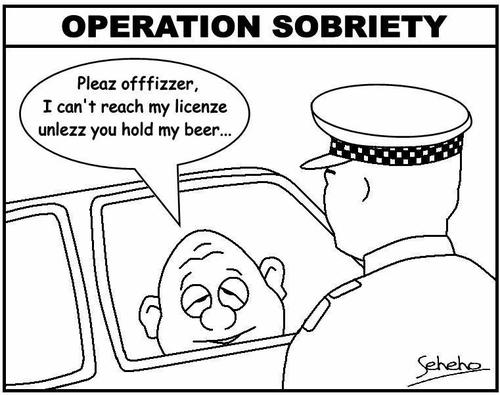
A man driving extremely fast is pulled over by  a police officer.

Getting out of the car, the driver starts tottering.

The police officer asks driver:

Where are you driving to at 4 a.m.?

I'm on my way to attend a lecture about 

the effects of alcohol on the human body.

The police officer asks:

Really? And who will give a lecture  like that at this time?

And he replies:

My wife.... want to come along?

HELP:


PULLED OVER = SOLICITADO A PARAR


 TOTTER = CAMBALEAR, ANDAR COM PORQUE ESTÁ FRACO.... *porque está bêbado ou doente

ATTEND = PARTICIPAR, ASSISTIR

LECTURE = *PALESTRA / BRONCA

REPLY = RESPONDER

WANT TO COME ALONG? QUER ME ACOMPANHAR?


domingo, 23 de março de 2014

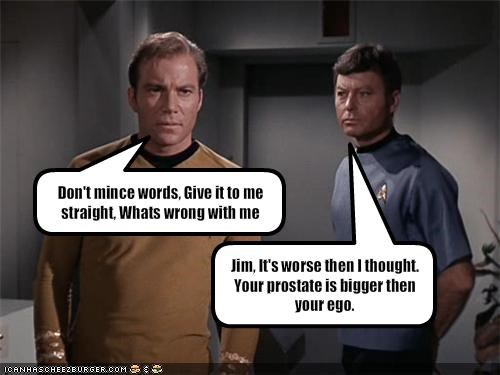
MEDIR AS PALAVRAS


Como dizer em inglês "medir as palavras"?

Uma expressão que se aproxima desta ideia é dizer "Mince one's words"

Em português, de acordo com o dicionário "Aurélio", 

"medir as palavras" significa: 

usar as palavras com cuidado e convenientemente.

Veja a definição em inglês:

to soften the effect of one's words. = atenuar, suavizar o efeito de suas palavras 

Veja o exemplo abaixo:

Tell me what you think, and don't mince your words. 
A frank person never minces words.


Podemos usar na negativa também...

not mince (your) words

to say what you mean clearly and directly, even if you upset people by doing this

traduzindo...

dizer o que pensa claramente e diretamente mesmo que você venha chatear uma pessoa.


Veja estes exemplos:

The report does not mince words about the incompetence 
of some government officials. 

The report does not mince words, describing the situation as extremely serious.

Never a woman  minced her words, she described the former minister as self-centred and arrogant.

domingo, 2 de março de 2014

JUMP THE GUN


Já ouviu esta expressão antes?

Então vamos aprendê-la!

Significa "começar algo antes do tempo, chegar a uma conclusão precipitada"

Exemplos:

You are jumping the gun. Wait!
Você está se precipitando. Espere.

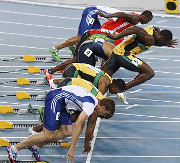
Esta expressão vem do atletismo (a foto como abertura). O início de uma corrida é muitas vezes marcado com o tiro de uma pistola, "gun". Em inglês, o atleta que começa antes do sinal de partida está "jumping the gun" - ao pé da letra, "pulando a pistola" ou ainda "ignorando o tiro vindo dela".

Portanto, no sentido figurado, to jump the gun é "falar" ou "fazer" algo antecipadamente, sem saber se é conveniente ou correto.

Veja mais estes exemplos:

When we were about to take the test, John jumped the gun and started early

He shouted at me before I had time to explain, but later he apologised for jumping the gun.

I think I jumped the gun on calling her "bitch". she won't talk to me anymore, I guess it was too early!

P.S. Adaptado de "Why do we say that?"pp101

terça-feira, 21 de janeiro de 2014

Rolezinho em inglês


A palavra da vez agora é "rolezinho", não é mesmo?

Primeiro temos que aceitar que se trata de uma palavra totalmente nova, portanto não existe nem nos dicionários em português.

E em inglês? Como seria?

Quando não há uma palavra correspondente direta no inglês, os jornalistas e escritores, que querem narrar este fato em inglês,  procuram expressões novas que se aproximam ao máximo da "ideia" desta nova palavra na língua portuguesa.

Para você memorizar melhor as expressões abaixo, procure entender o significado delas que facilitará bastante!

Daí já temos as seguintes expressões utilizadas para expressar "rolezinho" em inglês:

Gatherings = tradução reuniões, assembléia, aglomeração (*meeting of people for a particular purpose)

Large scale gatherings = aglomerações em grande proporção

Little stroll = tradução literal pequenos passeios (*o nativo teria dificuldade para entender o significado real)

Rowdy gatherings = reuinões com bagunça (*rowdy = fazer muito barulho e causar problemas; arruaceiro)

Raucous excursions through shopping malls = excursões barulhentas pelos shopping centers

Eu particularmente prefiro "rowdy gatherings", pois esta expressão é mais curta e direta!

Espero que tenha gostado!

ps. Adaptado de Teclasap!


quinta-feira, 16 de janeiro de 2014

HALF-BAKED


Olá, pessoal! 

Vocês já ouviram a expressão "half-baked"?

Ela significa "mal planejado, incompleto, insensato, bobo".

Esta expressão é uma metáfora que vem da padaria. 

Ao pé da letra , significa "meio assado" e se refere ao pão que, 

se for mal-assado, não dá para comer. 

Da mesma forma, qualquer ideia ou plano "cru", 

mal-acabado ou incompleto e que não é prático não dá

para engolir, é half-baked.


Veja os exemplos abaixo:

That's just another one of his half-baked ideas.

This is her half-baked scheme.

Michael has just come up with a half-baked proposal!


Alguns adjetivos que se aproximam em significado desta expressão seria:

foolish, insufficiently planned.

That's all for today!

PS. adaptado de "Why do we way that?" Jack Scholes.

sábado, 23 de novembro de 2013

Ria se puder...


A couple is sharing a bottle of fine wine 

over dinner when the husband says: 

Honey, I bet you cannot say something 

that would make me happy and sad at the same time? 

The woman turns to him and says: 

"Your dick is the biggest in the neighborhood"

GLOSSARY:

share = compartilhar, dividir

fine = bom, fino

over dinner = durante o jantar

turn to = virar-se para

*dick = (*não precisa de tradução!)

neighborhood = vizinhança, bairro

domingo, 27 de outubro de 2013

Ria se puder....

Ria se puder....


Two friends having a chat

Next year I need a different vacation 

the man said to his friend.

Two years ago I went camping and 

my wife got pregnant.

Last year I went on a cruise 

and my wife got pregnant again.

The curious friend asked:  

And what will you do differently now?

Next  year I'm taking my wife with me.

Glossary:

having a chat = batendo papo
get pregnant = ficar grávida
go on a cruise = fazer um cruzeiro 

domingo, 20 de outubro de 2013

Ria se puder...


A very attractive young woman and her grandmother 

went to  a General Practitioner. 

We came for an exam, said the young woman.  

All right, said the doctor. Go behind those curtains and take all your clothes off and I'll be with you in a second.

As matter of fact, it was my grandma who came for the exam and not me. 

Well, the doctor said, ...turning to the old lady he continued... 

Madam, stick your tongue out, please.

Glossary:

General Practitioner = Clínico Geral
curtains = cortina
take off = despir, retirar as roupas
Grandmother = grandma = avó
turning to = virando-se, dirigindo-se 
stick...out = pôr para fora

domingo, 13 de outubro de 2013

A MAIOR PALAVRA EM INGLÊS


Muitos alunos me perguntam qual é o mais longo 

vocábulo em inglês?

Existem vários de acordo com cada dicionário.

Muitos concordam que seja a palavra:

ANTIDESESTABLISHMENTARIANISM

Porém, os lexicógrafos do dicionário Merriam-Webster 

Dictionary descordam e dizem

que a mais longa palavra para eles é:

ELECTROENCEPHALOGRAPHICALLY

E por que eles consideram esta a maior palavra 

e não a primeira?

Porque para eles, os lexicógrafos, uma palavra só passa a  ser registrada no dicionário se ela for aprovada em três critérios:

01. widespread usage (uso muito difundido)
02. sustained usage (uso recorrente)
03. meaningful usage (uso significativo)

Segundo os lexicógrafos do Merrian-Webster Dictionary, a palavra ANTIDESESTABLIMENTARIANISM aparece com apenas 3 ocorrências.

Aqui vai o link onde você pode assistir a um vídeo em inglês com a explicação mais detalhada.

http://www.merriam-webster.com/dictionary/kinesthetic

domingo, 6 de outubro de 2013

CORTAR O MAU PELA RAIZ


Você já precisou falar a expressão 
"cortar o mau pela raiz" em inglês?

Espero que não tenha dito "to cut the bad by the root"!!

Como sabe, esta expressão trata-se de um "Idiom" o qual não 
utilizamos as palavras no seu sentido literal, e sim lançamos mão de outros vocábulos para formar uma expressão que traduz a ideia que queremos passar.

Portanto, cortar o mau pela raiz em inglês é:

TO NIP STH IN THE BUD.

Veja a definição em inglês 

Fig. to put an end to something before it develops into something larger. 

(Alludes to destroying a flower bud before it blooms.)

Traduzindo: colocar um fim em algo antes que ele se torne maior (*leia-se pior)

(Alusão a matar uma flor antes que ela floresça)

TO NIP = BELISCAR, MORDER, PINÇAR
BUD = BROTO

Veja alguns exemplos abaixo:

I wanted to nip that little romance in the bud.
The whole idea was nipped in the bud.
The strike was nipped in the bud by some clever negotiation.
We need to nip the kind of problem in the bud.


sábado, 28 de setembro de 2013

EM PÉ DE GUERRA


Olá, pessoal

Hoje gostaria de compartilhar com vocês a expressão

"em pé de guerra".

Não vá tentar passar para o inglês ao pé da letra porque não dá certo!!

Pra dizer isso em inglês, existe a expressão (* idiom )

ON THE WARPATH

*Igual no cartoon acima!

Veja suas definições em inglês:

1- very angry. 
e.g. The boss is on the warpath again. 
e.g. Watch out! l am on the warpath about setting goals and standards again.

2- angry and ready to argue or fight.
e.g. Hollywood studios are on the warpath, trying to bring an end to the illegal copying of movies. 
e.g. The little girl went on the warpath in defense of her brother.

Com o propósito de praticar a nova expressão, responda as questões abaixo:

01. Do you get caught on the warpath very often?
02. Who among of your friends would you consider to be always on the warpath?
03. When was the last time you were on the warpath?
04. Do you try to talk with your wife when she is on the warpath? (*I dont dare to do so!!!!)

That's all for now.

sexta-feira, 13 de setembro de 2013

Revelar um segredo em inglês


Olá, pessoal! Peço desculpas pela demora na atualização. Estive na Inglaterra e quando cheguei, já viu!!!

Hoje, gostaria de falar com vocês sobre como dizer "revelar um segredo" em inglês.


Lógico que para quem já sabe um pouco de inglês, pensaria em dizer "to reveal a secret" o que está correto, porém, existe uma expressão bastante usada em inglês que é:

SPILL THE BEANS

Traduzindo ao pé da letra....

"derramar o feijão" (*que não tem nada a ver em português)

Dê uma olhada na sua definição em inglês:

to give away a secret or a surprise. 

Agora veja alguns exemplos:


There is a surprise party for Heidi on Wednesday. 

Please don't spill the beans. 

 It was then that she threatened to spill the beans about her affair with the president.

sábado, 10 de agosto de 2013

FONDLE


Olá, pessoal! Peço desculpas por demorar tanto na atualização.


Gostaria de falar com vocês hoje sobre o verbo "to fondle". Conhecem?


Vamos primeiro ver suas definições:


CAMBRIDGE: to touch in a gentle and loving way: (*tocar de uma maneira gentil e amorosa)

MACMILLAN: to squeeze or rub someone or something gently, especially for sexual pleasure

(*apertar ou esfregar alguém ou algo gentilmente especialmente
para prazeres sexuais)

COLLINS: to touch or stroke tenderly; caress (tocar ou acariciar, o mesmo que "caress"


Percebe-se que uma boa tradução para este verbo seria: Acariciar, apalpar

Agora veja alguns exemplos com este verbo:


"So go find him," Donnelly replied dreamily, raising his sausage fingers
to fondle the woman's breasts."


"She was in her panties, and I had to
fondle her breasts, and it felt like I was raping the girl."


"Fr James Prunty, 77, would sit the youngsters on his knee and
fondle them, a court heard."


She
fondled the puppies.


He gently
fondled the baby's feet.


She accused him of
fondling her (= touching her in a sexual way) in the back of a taxi.

sexta-feira, 5 de julho de 2013

O que é WI-FI?


Apesar de o termo Wi-Fi ser uma marca registrada pela 

Wi-Fi Alliance, 

a expressão hoje se tornou um sinônimo para a 

tecnologia IEEE 802.11, 

que permite a conexão entre diversos dispositivos 

sem fio. 

Amplamente utilizado na atualidade, a origem do termo, 

diferente do que muito acreditam, não tem um 

significado específico.

A expressão Wi-Fi surgiu como uma alusão à expressão

High Fidelity (Hi-Fi) (*alta fidelidade), utilizada pela 

indústria fonográfica na década de 50.

Assim, a o termo Wi-Fi nada mais é do que a contração das palavras:

Wireless Fidelity, (*fidelidade sem-fio)...

...algo que se traduzido não representa 

muito bem a tecnologia em questão.